Understanding Different Art Mediums: Which One Suits You?
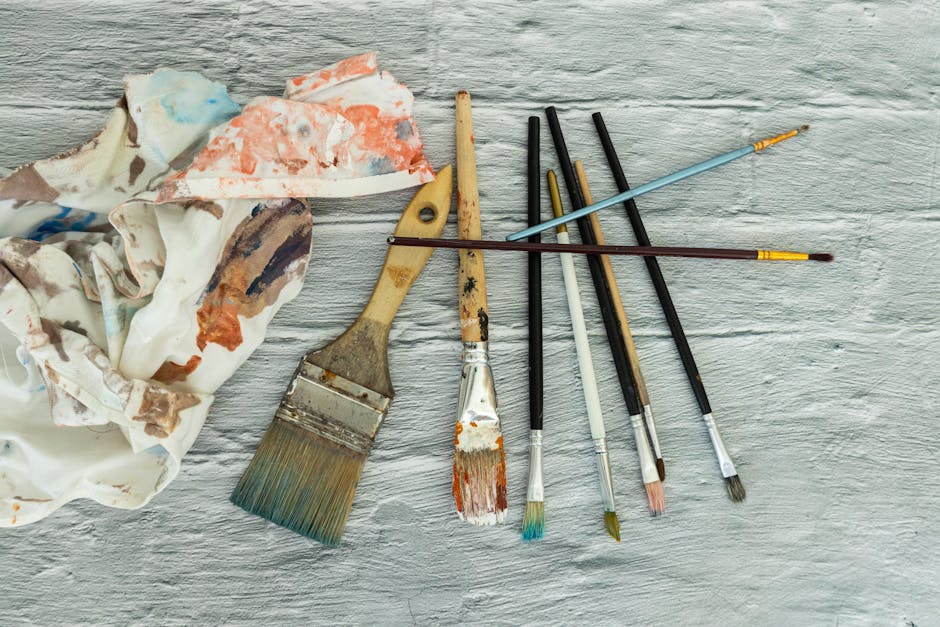
One of the exciting aspects of art education is discovering which medium speaks to you. Each material has its own characteristics, learning curve, and appeal. Understanding the differences can help you choose where to focus your energy.
Drawing Mediums: Pencil, Charcoal, and Pastels
Drawing is often the foundation of art education. Pencil is accessible and forgiving—you can erase mistakes. Charcoal produces rich, dramatic marks and is brilliant for exploring tone and shadow. Pastels offer vibrant colour with a soft, blendable quality. Drawing mediums are relatively inexpensive to start with and require minimal setup.
Painting: Watercolour, Acrylic, and Oil
Watercolour is transparent and fluid, creating luminous effects, though it requires practice to control. Acrylic is versatile, quick-drying, and forgiving—you can paint over mistakes easily. Oil paint offers rich colour and slow drying time, allowing for blending, but requires proper ventilation and solvents. Each painting medium has distinct handling properties and learning requirements.
Sculpture and Three-Dimensional Work
Clay is tactile and immediate, perfect for hand-building and wheel-throwing. Stone carving is subtractive (removing material) and requires patience and precision. Welding and metalwork create bold, structural pieces. 3D work develops spatial awareness and problem-solving skills differently than 2D art.
Printmaking
Printmaking includes techniques like linocut, screen printing, and etching. It's excellent for understanding design, composition, and the relationship between positive and negative space. Many people find printmaking satisfying because it involves a clear process and produces tangible results.
Digital Art and Design
Digital mediums include digital painting, photo manipulation, graphic design, and animation. If you're comfortable with technology, digital art offers unlimited possibilities for experimentation without material waste. However, it requires investment in equipment and software.
Mixed Media and Collage
Combining different materials—paint, paper, found objects, textiles—creates unique artworks. Mixed media is wonderfully free and experimental, perfect for people who like to break rules and innovate.
Choosing Your Medium
Consider your personality: Are you patient or do you prefer immediacy? Do you like precision or spontaneity? Do you enjoy tactile, hands-on work or prefer digital tools? Think about your space—some mediums require more room or ventilation than others. Your budget matters too; some materials are more expensive than others.
The Best Approach
Many art classes introduce you to multiple mediums, allowing you to discover what feels natural. Don't commit to one medium immediately. Experiment, play, and let your preferences emerge organically. Your ideal medium might surprise you.